
Contract-based pricing
Negotiated rates per client,not catalog prices visible to everyone
Business clients were using a consumer checklist to manage fleet orders. This is the redesign,not just of the interface, but of the system underneath it.
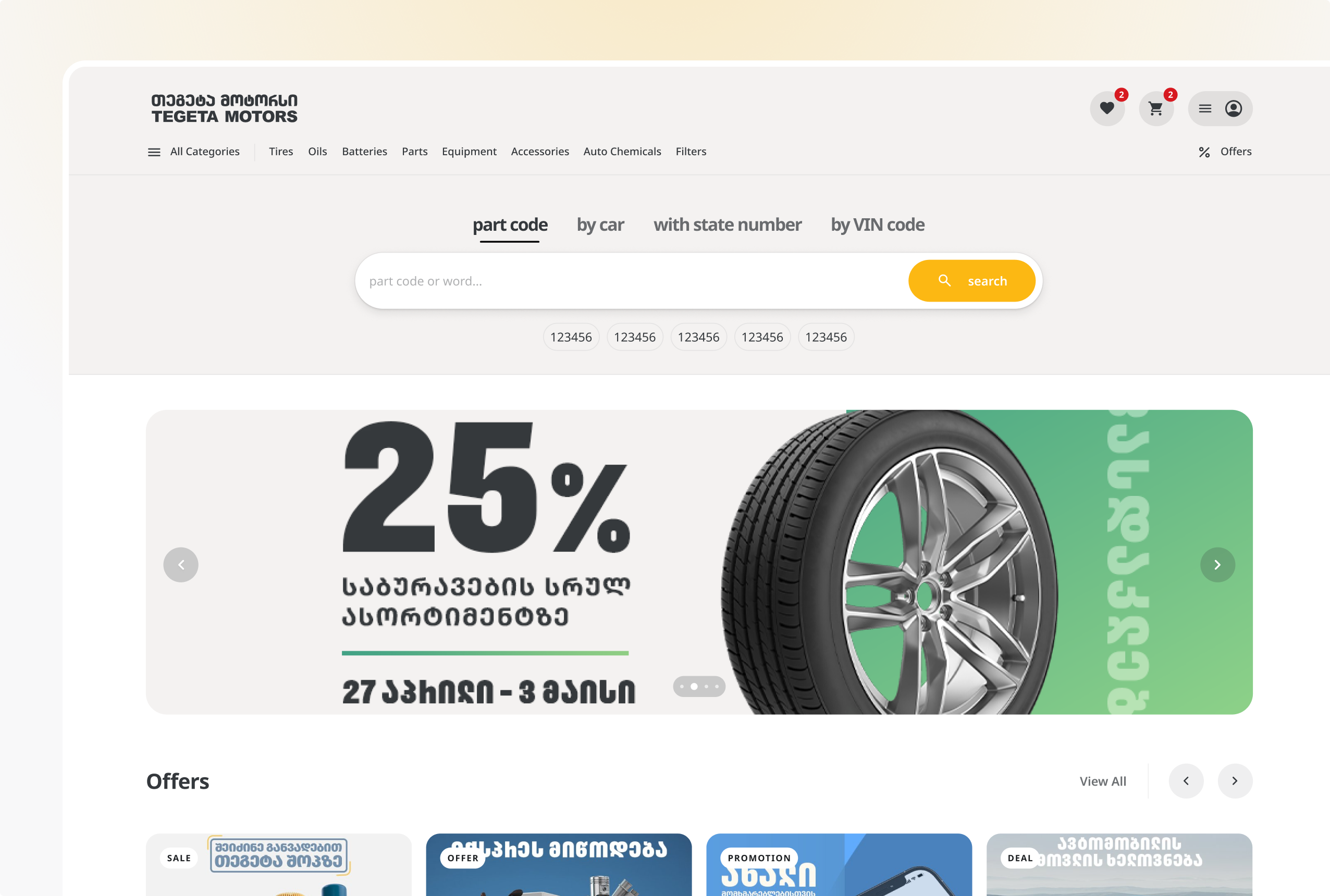
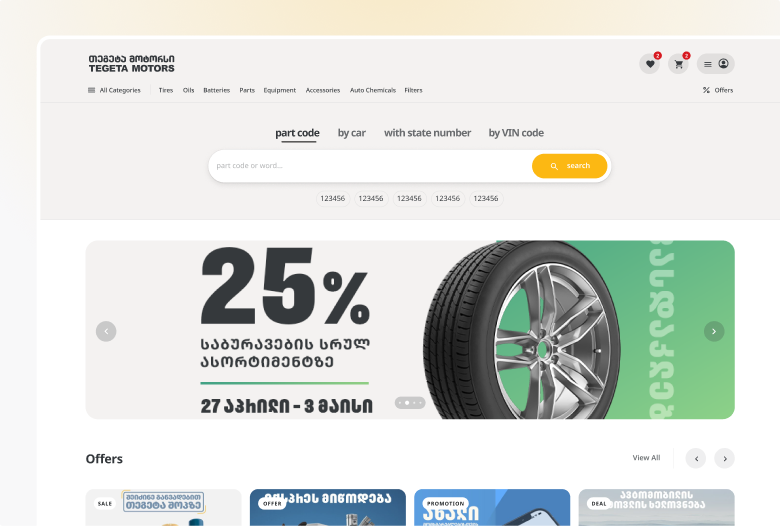
Tegeta had a B2B platform. Fleet operators, partner workshops, and corporate accounts were supposed to use it to order parts and manage procurement. In practice, almost nobody did. They called the call center instead.
When I looked at why, the answer was obvious: the platform was built on consumer retail logic. It had a cart, a checkout, a confirmation screen. That's fine if you're an individual buying one item. It's useless if you're a fleet manager approving a purchase across multiple vehicles, or a finance controller who needs invoice-based payment terms, or a warehouse coordinator managing parts across several service locations.
The platform looked like a shop because it was built like a shop. Business clients needed a procurement system.
Negotiated rates per client,not catalog prices visible to everyone
Different access for admins, buyers, approvers, and finance within one company account
Approval flows that matched actual procurement sign-off processes
Payment terms and invoice generation separate from checkout
The structural decisions came before any screen design. I defined what a B2B client actually is in this system,a company entity with associated contracts, users, and layered permissions. I created a checkout path separate from retail that could handle multi-step approval flows and contract-based pricing. And I introduced a company-level hierarchy so that multi-location businesses could manage operations coherently rather than as disconnected individual accounts.

The ordering flow was redesigned around real business procurement logic,not consumer checkout patterns.
The platform now reflects internal business operations rather than forcing consumer-like patterns onto a fundamentally different purchasing context.
Restructuring the role model meant that a fleet manager and a finance controller could operate the same platform without constantly getting in each other's way,because the system understood the difference between those roles. A fleet manager could order across multiple vehicles. A finance controller could approve and manage invoices. An admin could manage the full account structure without touching individual transactions.
B2B became a structured operational interface, not a modified retail shop.